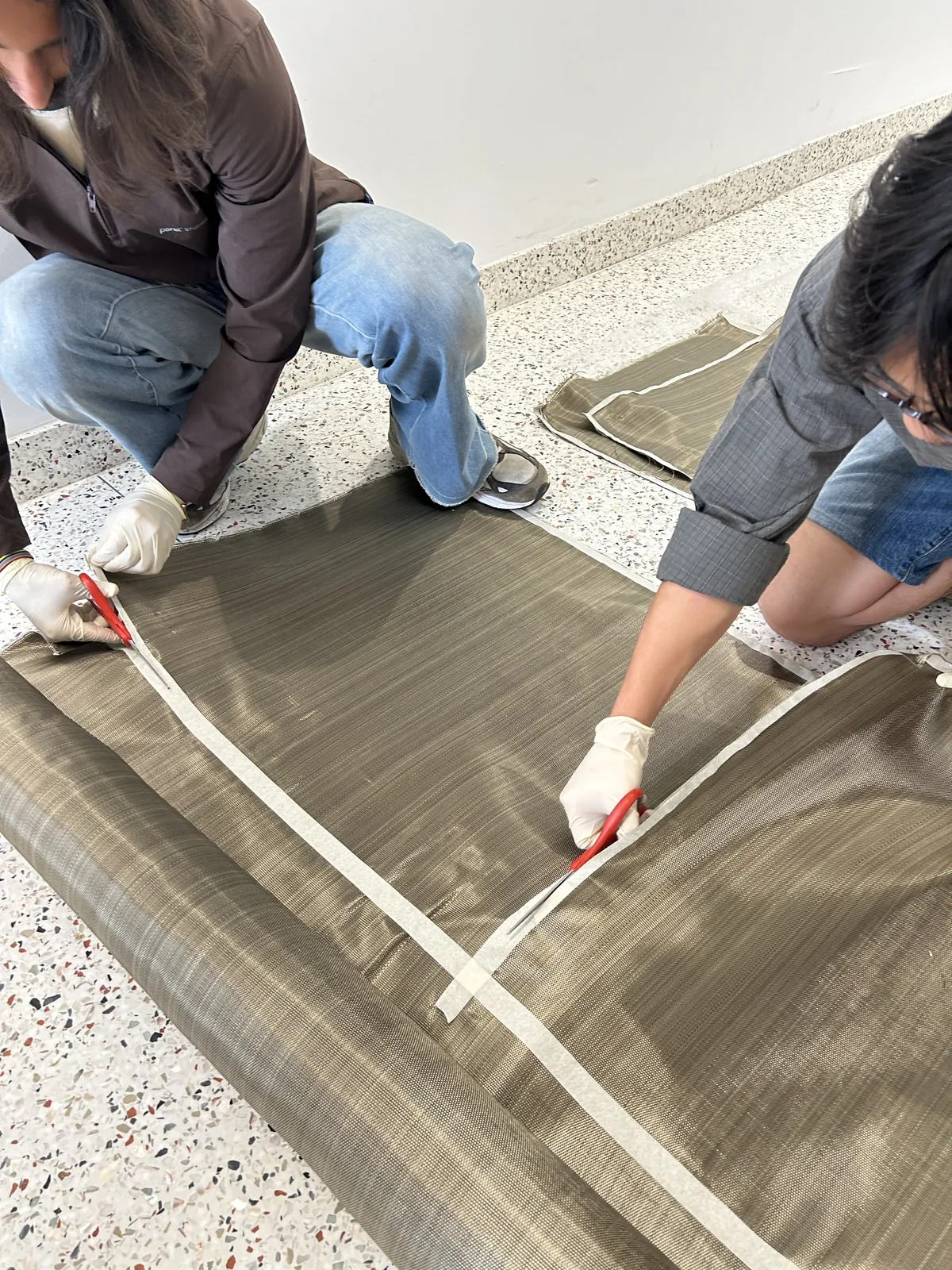
Two students in gloves kneel on a terrazzo floor, stretching a tape measure across a wide roll of olive-coloured basalt fibre fabric and cutting it with shears

Vehicle programDrawing 1 of 33

Project
PL8

I started Project PL8 in August 2023 to build a street-legal sports car out of basalt fiber, with students doing the engineering. We're up to 64 people now, and I run both the org and the engineering.

Sheet 02 of 08/Why basalt

Why basalt and not carbon

Almost nothing about basalt is standardized for a car structure, so every structural call needs its own test instead of a number we can look up.
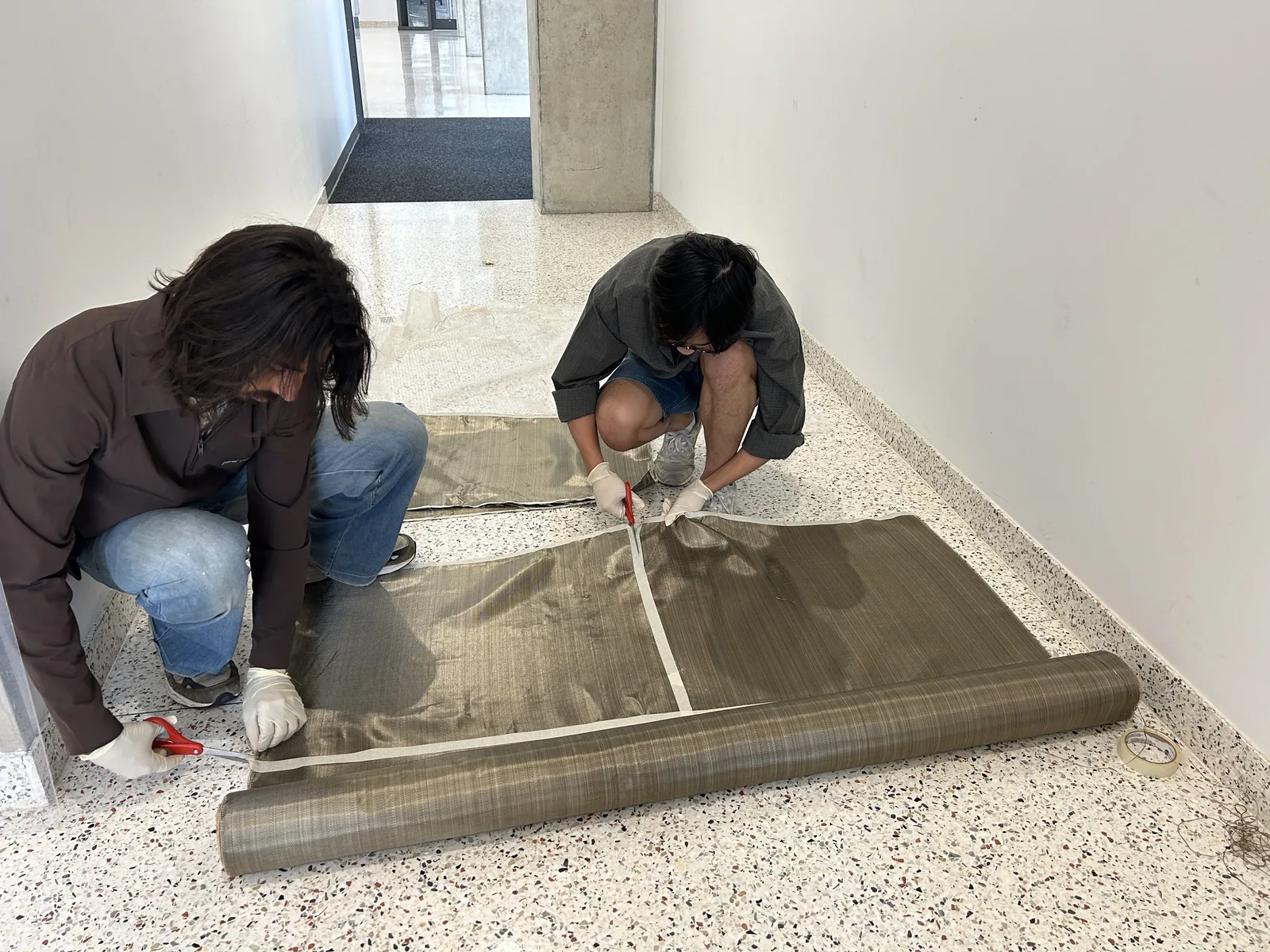
A roll of basalt fibre cloth partly unrolled along a corridor floor with two students working at one end
PL 02The roll unspooled in a hallway, because there is no clean room yet.
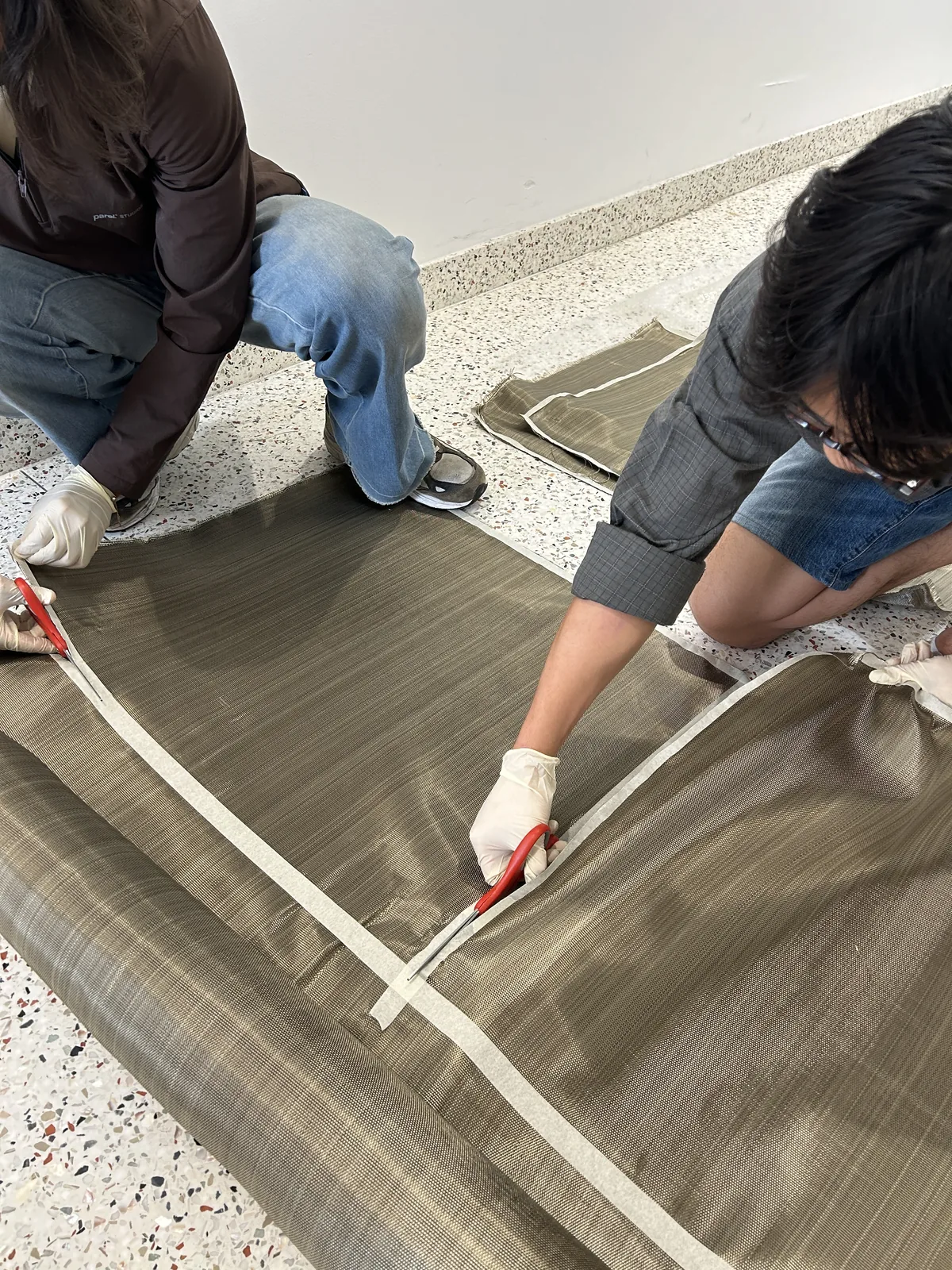
Close view of gloved hands cutting basalt fabric with red-handled shears along a measured line
PL 03Cutting a ply to length by hand. Cut quality here sets the fibre alignment in the finished part.
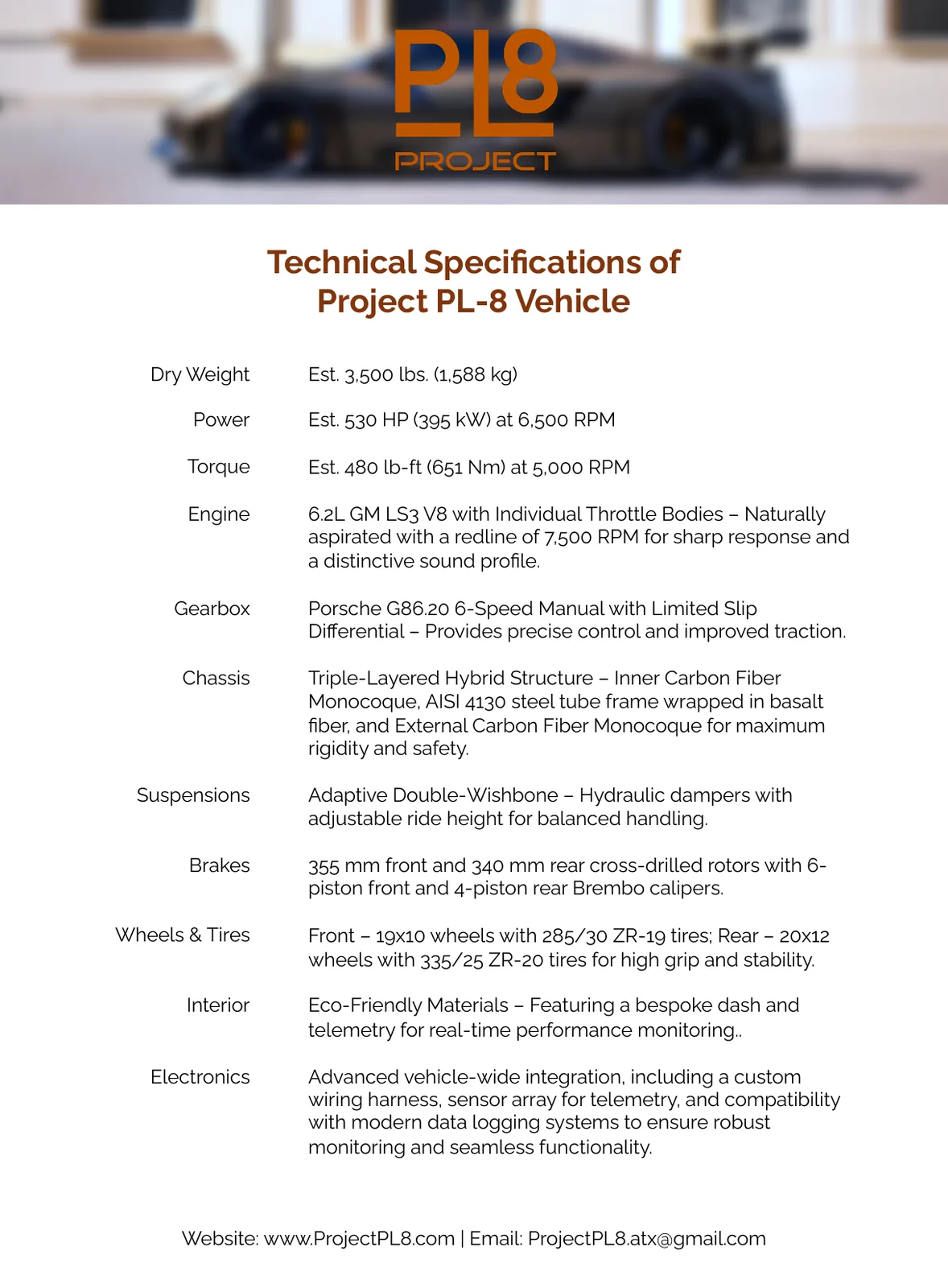
Technical specification sheet for the Project PL-8 vehicle listing estimated dry weight, power, torque, engine, gearbox, chassis, suspension, brakes and wheels
PL 04The target vehicle on one page: an LS3 V8, a Porsche G86 gearbox, and a triple-layer chassis with a steel tube frame wrapped in basalt between two composite skins. Every number on it is still an estimate.

Sheet 03 of 08/Target car

What we are aiming at

The headline numbers on our spec sheet, weight, power, torque, are all marked "Est." because nothing on this car has actually been built, weighed, or driven yet.
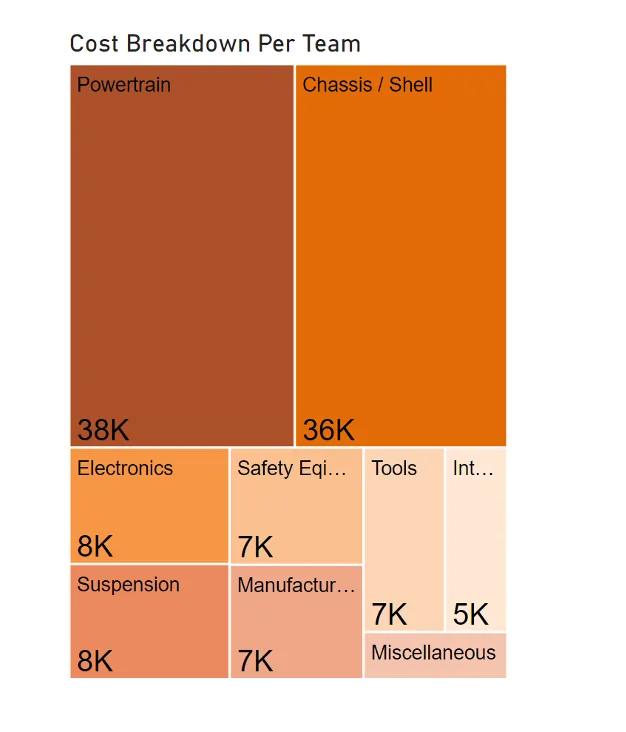
Treemap chart titled Cost Breakdown Per Team showing powertrain 38K, chassis and shell 36K, electronics 8K, suspension 8K, safety equipment 7K, manufacturing 7K, tools 7K and interior 5K
PL 05Where the money has to go: powertrain 38K and chassis or shell 36K dominate, and the rest of the car shares what is left.

Sheet 04 of 08/It is organised

Running 64 people

Running it mostly means writing every decision down, since the team turns over every year and a choice that only lives in someone's head gets made again from scratch next spring.
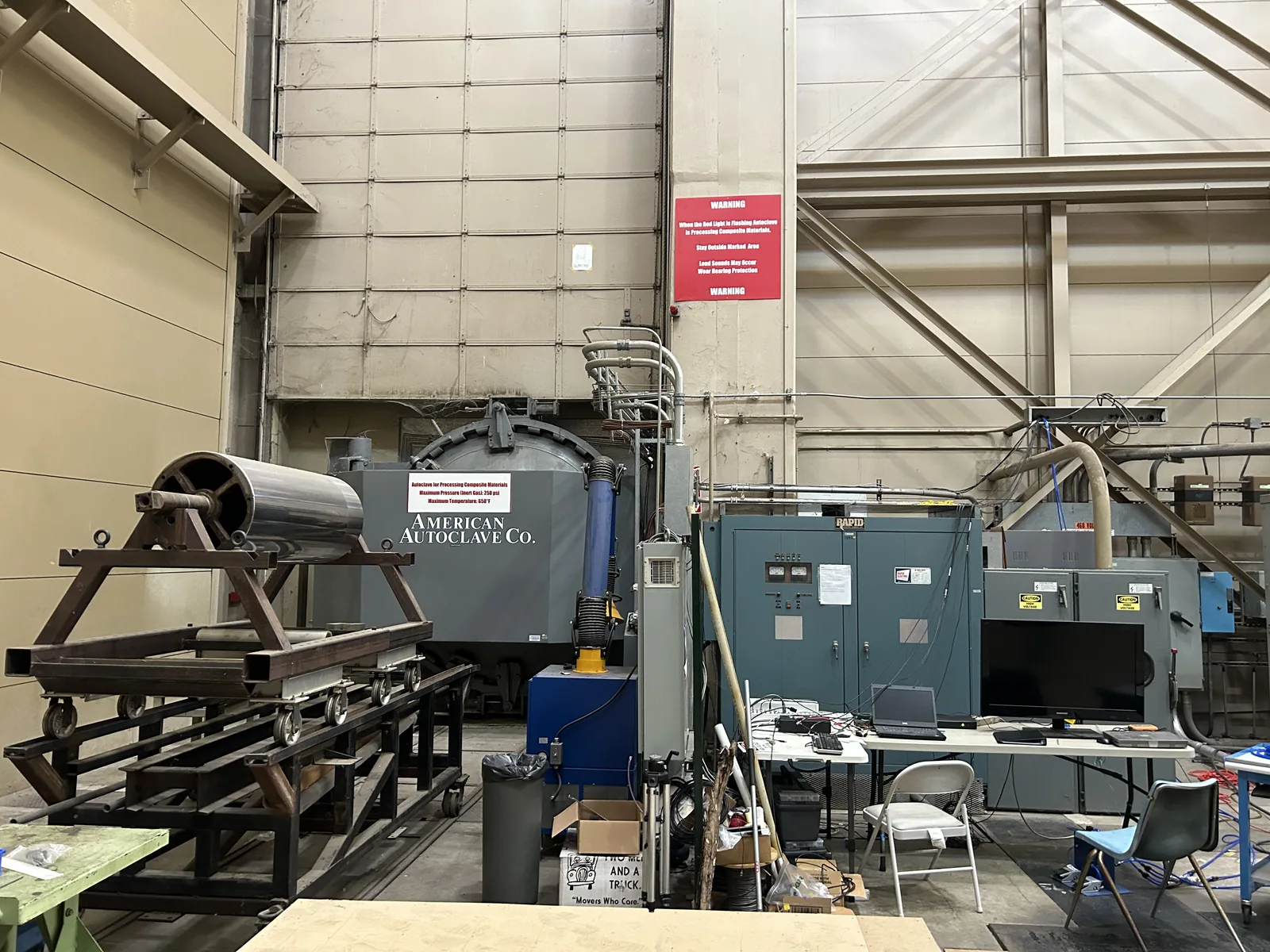
An industrial autoclave marked American Autoclave Co. in a university high-bay laboratory, alongside steel test frames and workbenches
PL 06The autoclave we would need for a cured structural laminate, sitting in a campus lab we do not own.

Sheet 05 of 08/The money

What the car costs before it exists

Powertrain and chassis eat up most of our 120K budget, at 38K and 36K, and the rest of the car splits whatever's left.
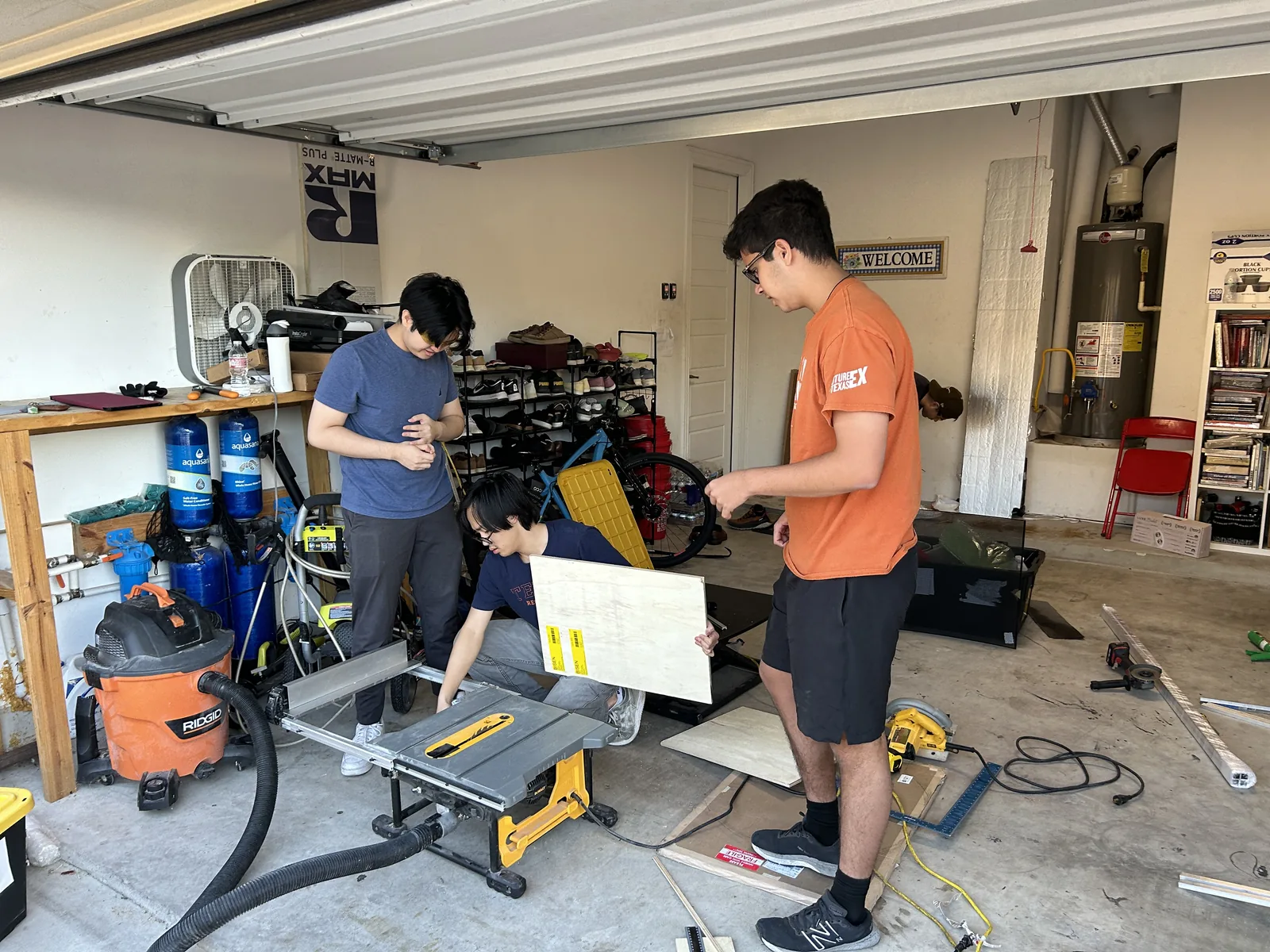
Two students cutting a large panel on a portable table saw in a domestic garage full of tools
PL 07Cutting sheet stock for tooling in a member's garage, which is the shop we actually have.
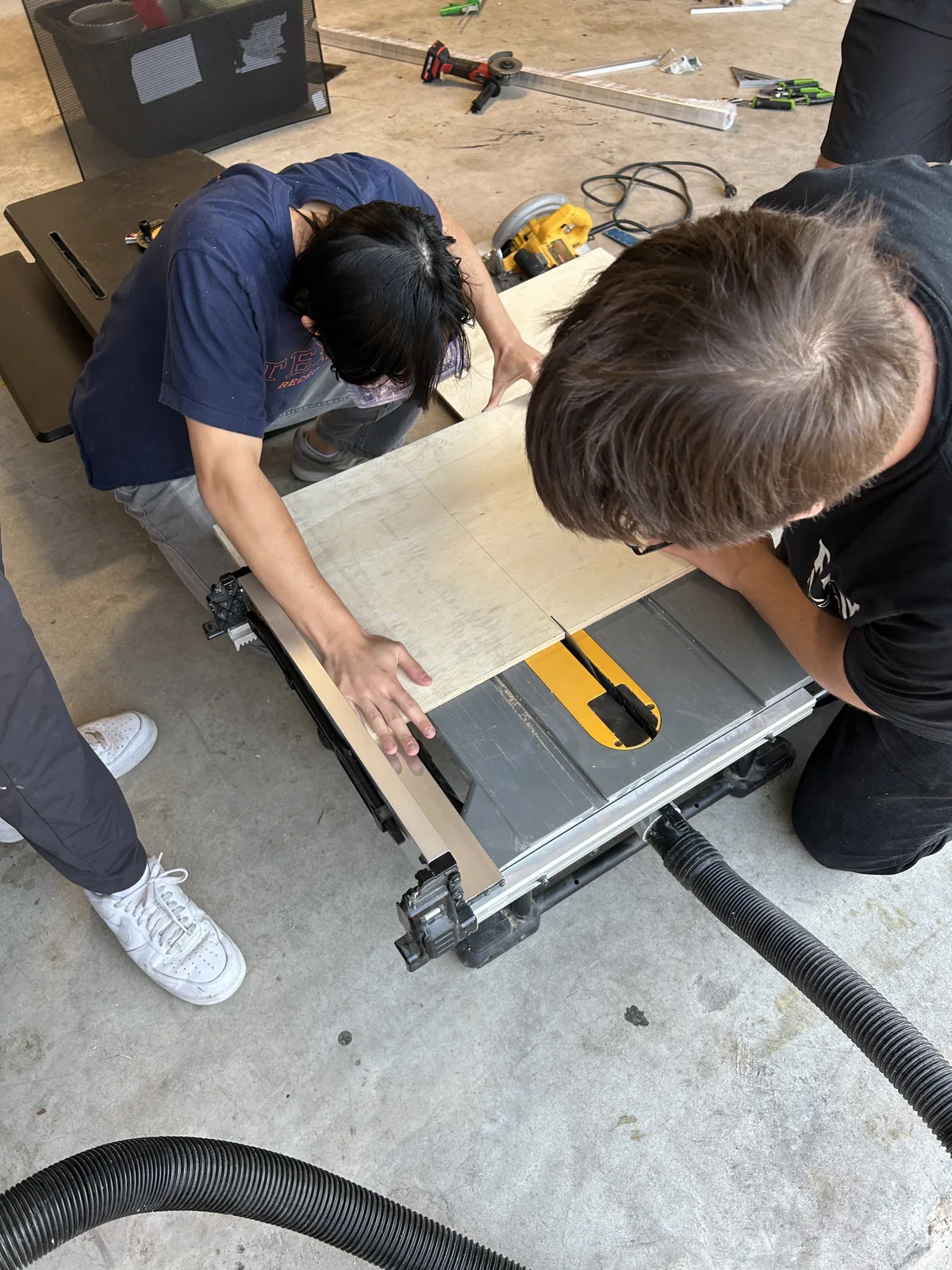
Overhead view of two students guiding a wide board through a table saw together
PL 08Two people to feed one panel: most early manufacturing lessons were about fixturing, not composites.

Sheet 06 of 08/Where it stands

What exists now

So far we've cut basalt fabric, laid up and vacuum-bagged one test panel, and started building our own tooling, but there's still no chassis and no car.
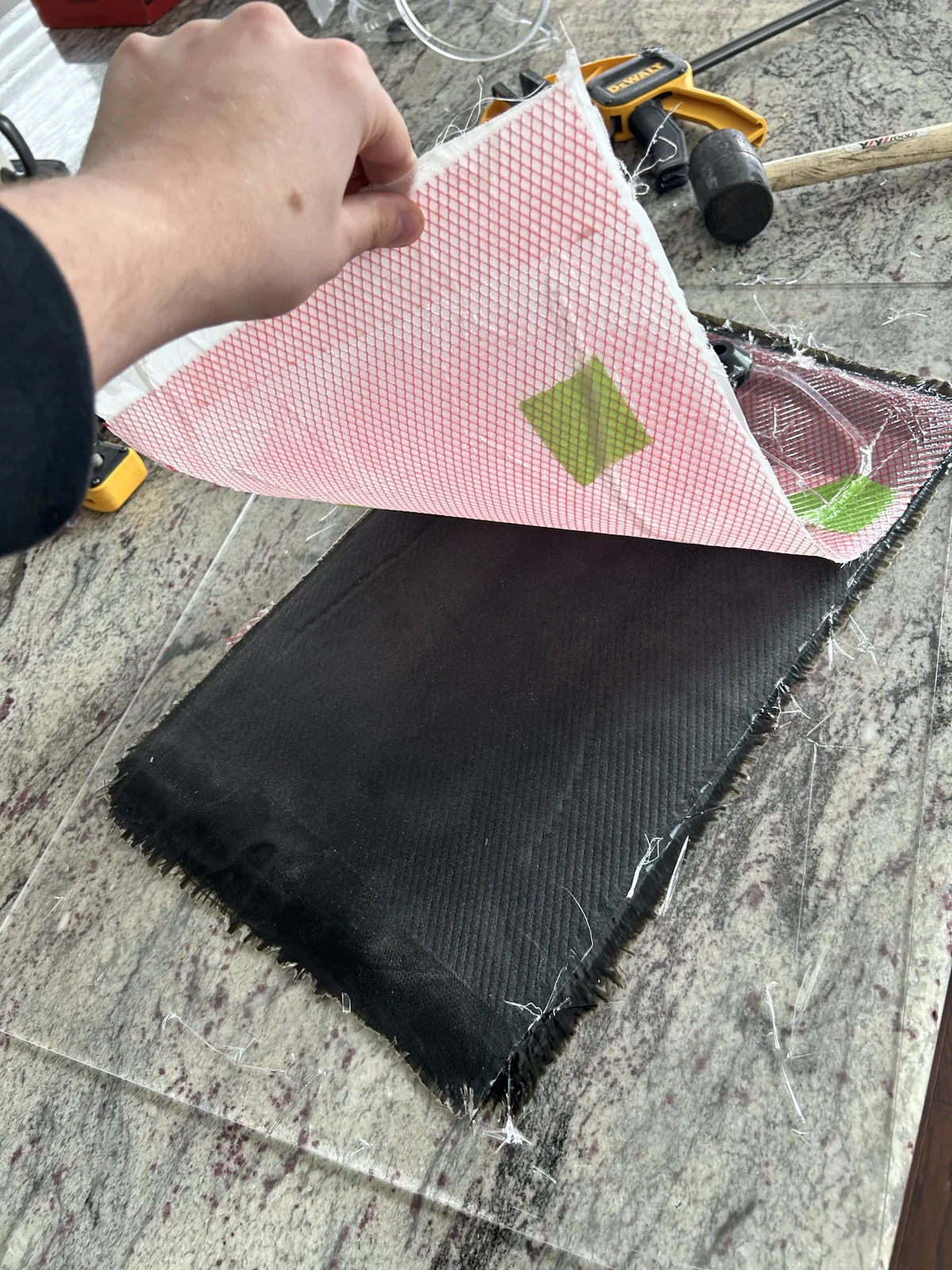
A dark composite panel on a workbench under translucent pink vacuum bagging film, with clamps and a mallet beside it
PL 08The first panel under vacuum. Bagging film pulled down over the layup, which is where a flat test piece either consolidates or does not.
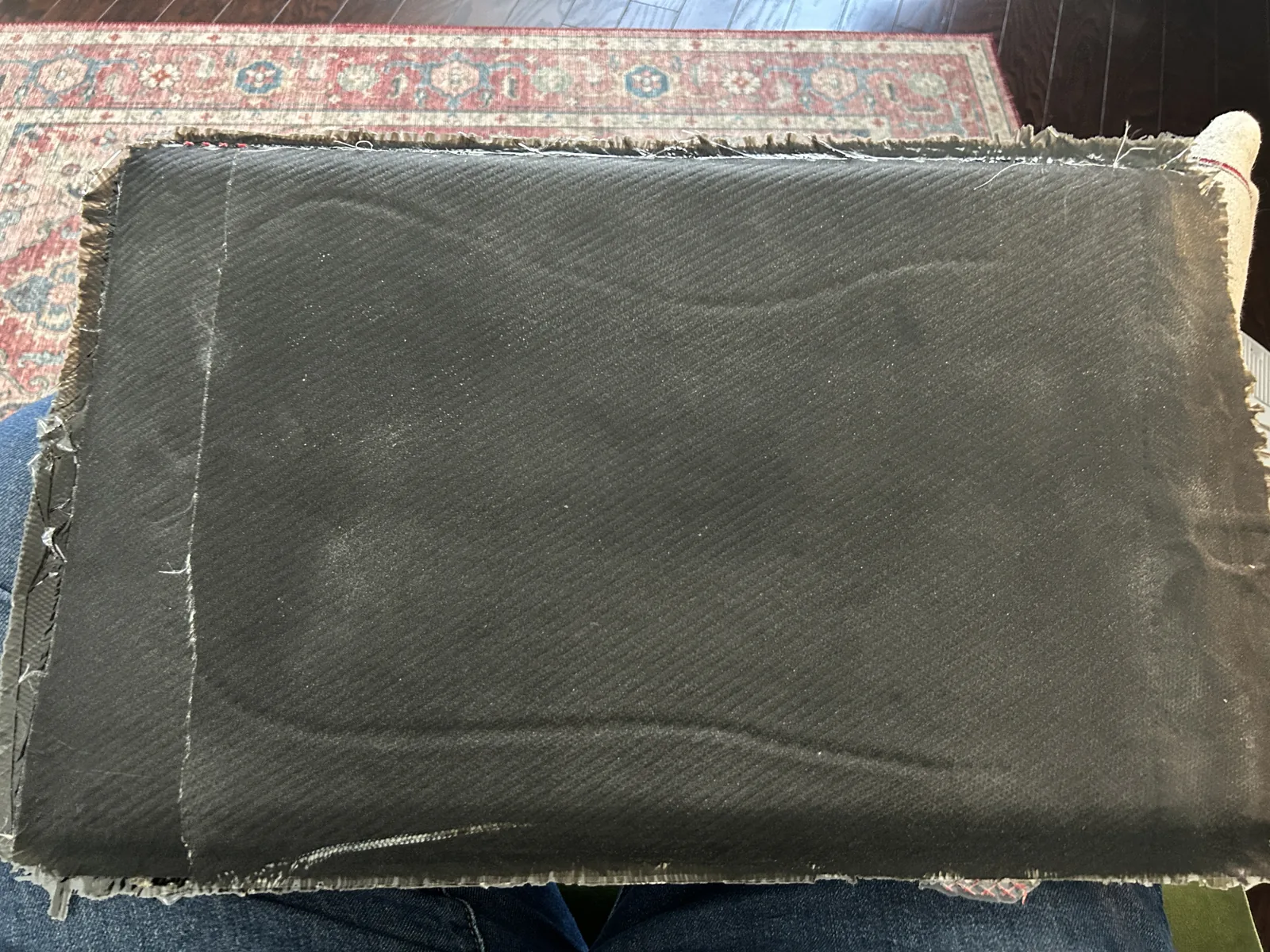
A cured flat composite test panel held up across someone's lap, showing an even grey green weave and rough trimmed edges
PL 08The first panel, out of the bag. A flat coupon is the cheapest way to find out what the process actually produces.
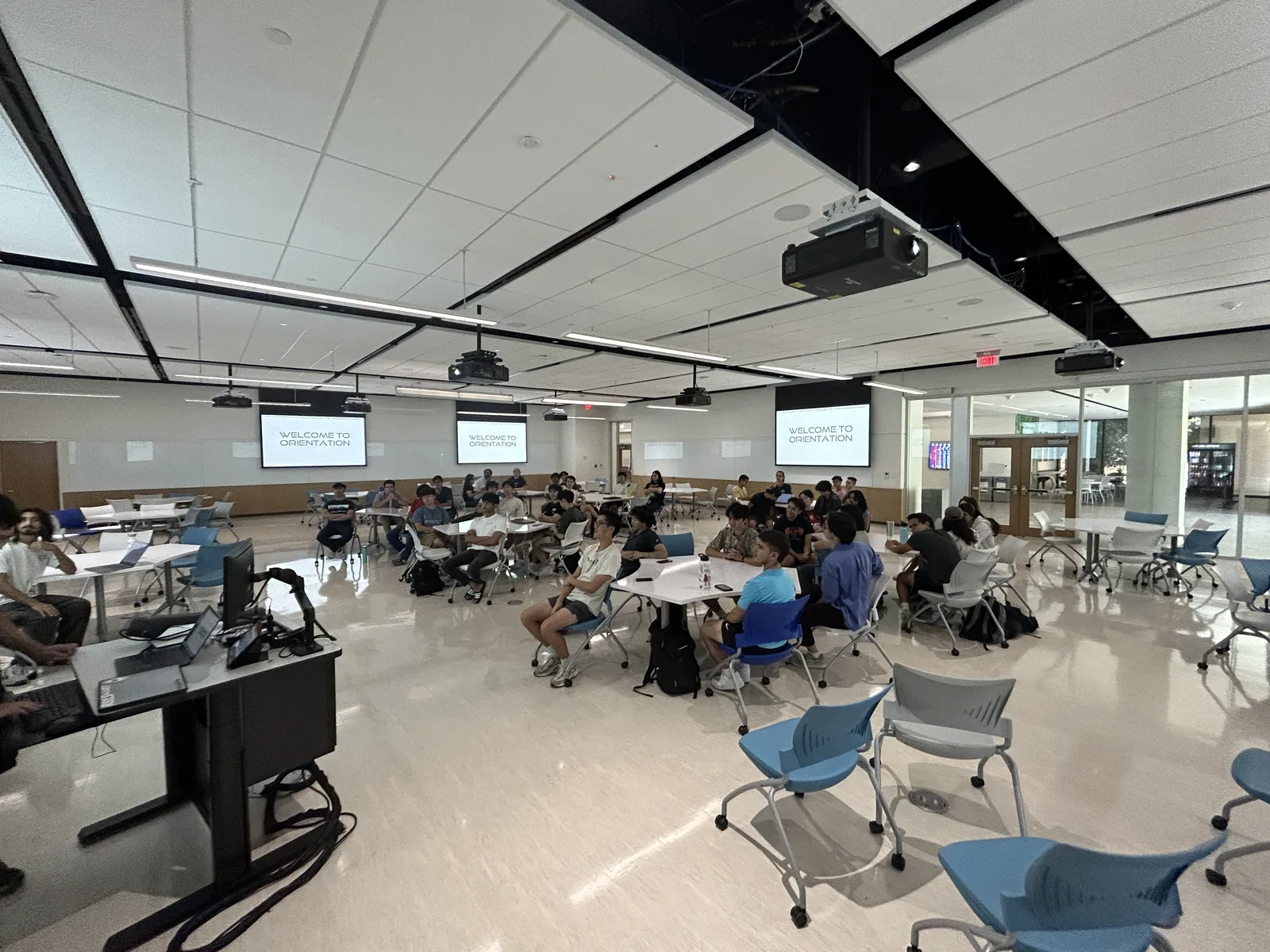
A large university classroom filled with students seated at round tables during a project meeting
PL 09A general meeting. Keeping 64 people across twelve teams pointed at one car is most of the job.
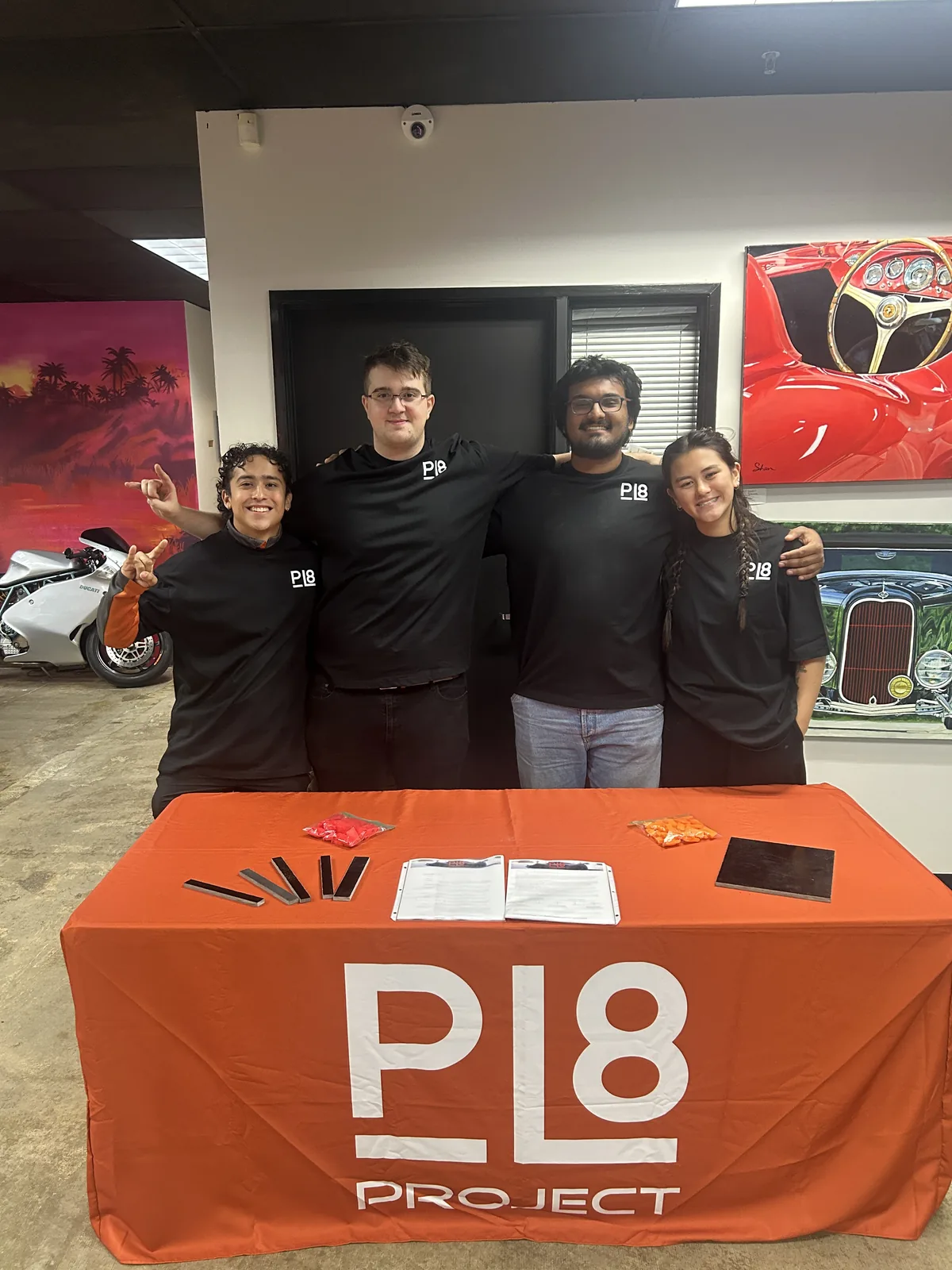
Four students in black PL8 shirts standing behind a table with an orange PL8 Project cloth

Sheet 07 of 08/Would do differently

What I would do differently

If I redid it, I'd build a test coupon before an org chart, since pulling a flat basalt panel to failure would tell us more than any sponsor deck.

PL 10Officers at a recruiting table. The mark, the shirts and the table cover are all part of the same identity system I drew.